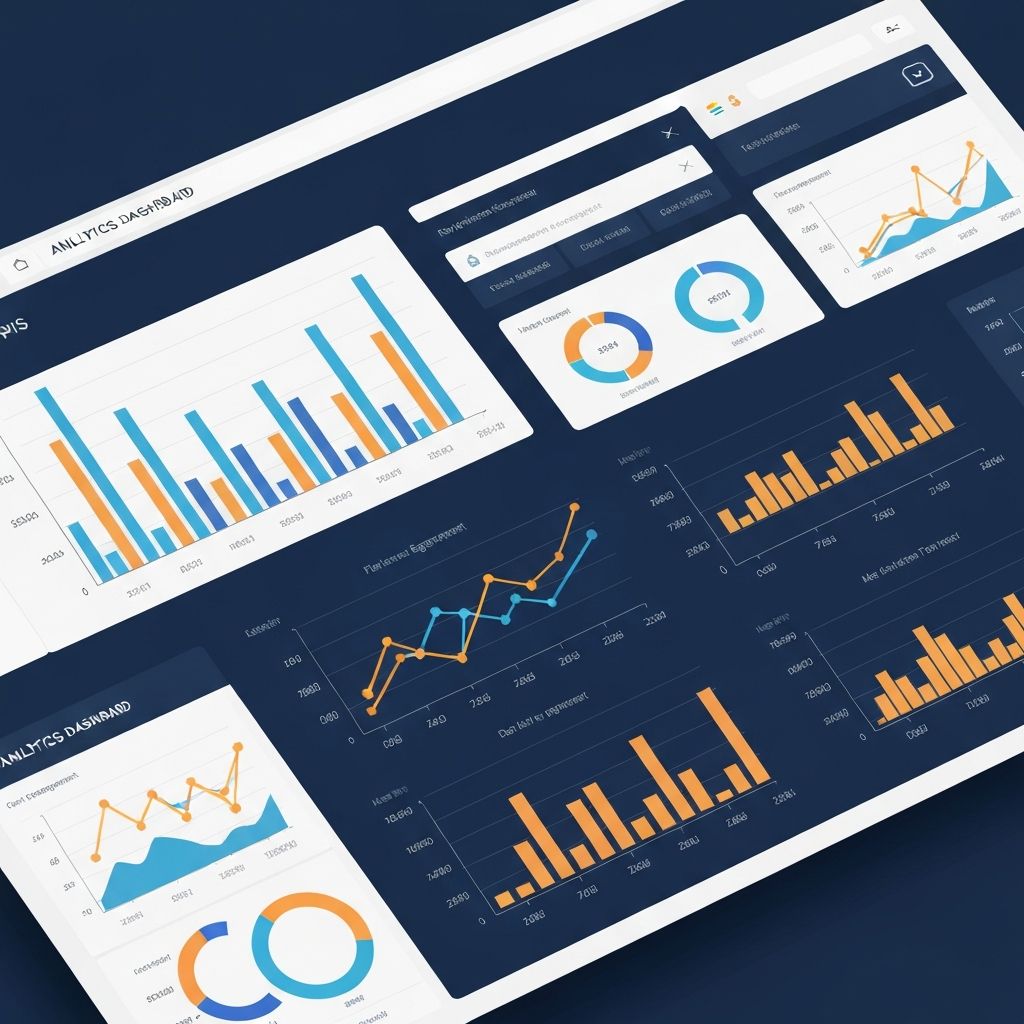
In today's fast-paced business environment, waiting hours or days for analytical insights is no longer acceptable. Real-time analytics has become a critical capability for organizations that need to make quick, data-driven decisions.
What is Real-Time Analytics?
Real-time analytics refers to the ability to process and analyze data as soon as it becomes available. Unlike traditional batch processing, where data is collected and analyzed at scheduled intervals, real-time systems provide immediate insights that enable rapid response to changing conditions.
The technology stack for real-time analytics typically includes stream processing engines, in-memory databases, and specialized visualization tools designed to display live data updates.
Implementing Real-Time Analytics
Successful implementation starts with identifying the right use cases. Not all data needs to be processed in real-time—focus on scenarios where immediate insights create significant value, such as fraud detection, dynamic pricing, or operational monitoring.
Next, ensure your data infrastructure can handle the volume and velocity of real-time data streams. This often requires upgrading legacy systems and adopting modern architectures like event-driven processing and microservices.